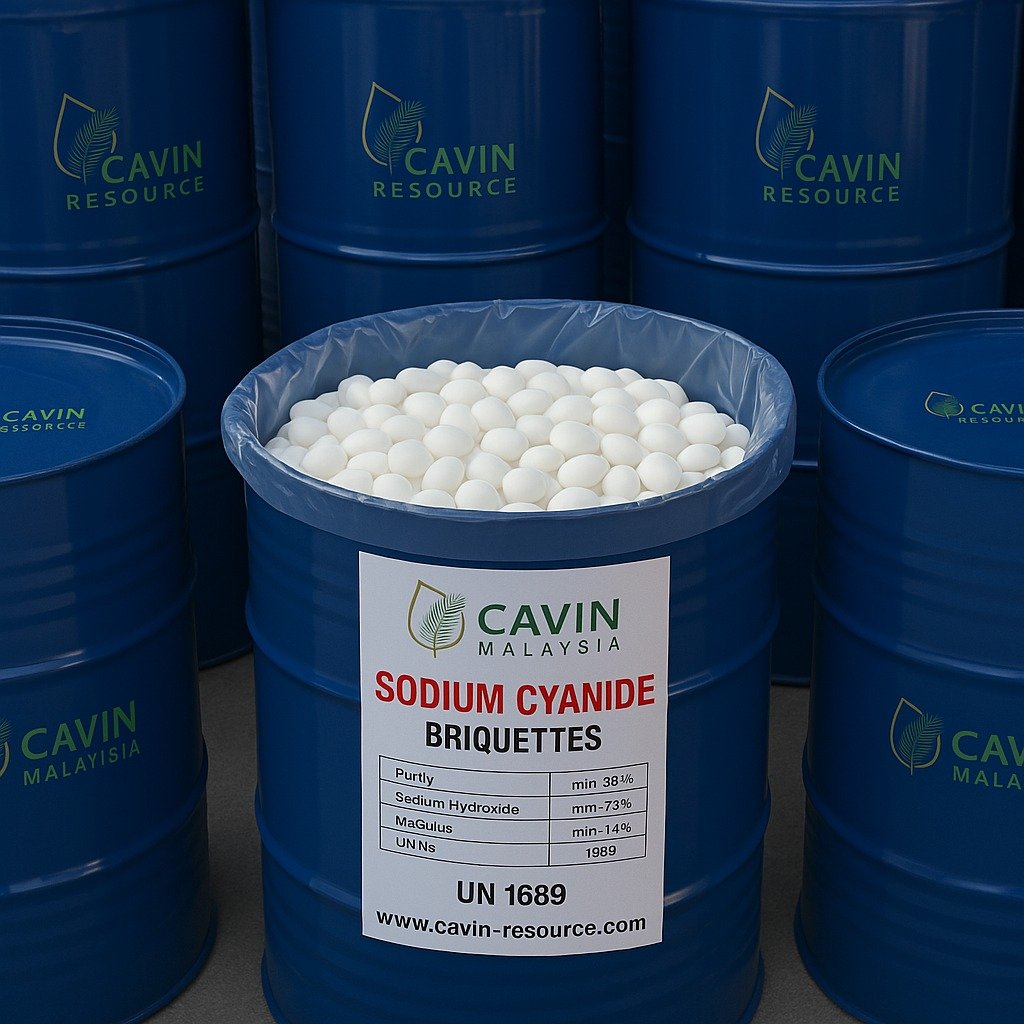
Acquiring sodium cyanide presents significant challenges due to its controlled status. Generally , it's unavailable to the average consumer without necessary authorization. Licensed manufacturing operations, such as metal refining, are the usual sources and require strict following of national guidelines. Seeking to get this compound through unauthorized channels carries extreme criminal penalties . Therefore , this article does not provide information on methods for improperly buy this toxic compound. Alternatively, we focus on appreciating the legal avenues and the significance of safe handling practices – always consulting certified experts.
```text
Sodium Cyanide Price Trend: Recent Fluctuations and Future Outlook
The prevailing cyanide salt cost has witnessed notable fluctuations of late due to a combination of influences. Supply chain delays, stemming from international uncertainty and amplified demand from the mining sector have led to the increasing movement . Analysts anticipate that this fluctuation will probably persist for the near future , although a moderation in prices is anticipated as distribution concerns are mitigated and requirement stabilizes . Future forecast remains somewhat encouraging, reliant on international circumstances and ongoing progress in substitute processes.
```
Leading Sodium Cyanide Manufacturers in India: A Detailed List
Finding dependable sources for sodium cyanides in India can be challenging , given the stringent regulations surrounding its production . This article aims to outline a thorough directory of key Indian companies involved in the production of this chemical . While a complete enumeration is challenging due to the sensitive nature of the industry, we’ve compiled information on several major players including Gujarat Alkalies and Chemicals Ltd., Oswal Chemicals, and several smaller, focused suppliers. Please note obtaining sodium cyanides requires appropriate licensing and adherence to every safety protocols – this roster is for informational purposes only and does not constitute an endorsement of any particular company . We advise thorough due assessment before contracting any supplier .
```text
Understanding Sodium Cyanide: Is It a Base? Chemical Properties Explained
Sodium cyanide's (NaCN) presents a intriguing chemical behavior, often prompting debate about its classification as a base. While it can function as a base under specific conditions, it's more accurately described as a salt. The cyanide radical, CN-, possesses a lone pair of electrons, allowing it to transfer electrons, a characteristic linked with basicity. However, this electron pair is strongly bound and not readily available for proton acceptance, unlike stronger bases. Sodium cyanide easily forms complexes with metallic ions, demonstrating its nucleophilic characteristics. Its chief reactivity involves nucleophilic substitution reactions, rather than proton abstraction. Therefore, while it can exhibit minor basic action in specific contexts, is sodium cyanide acidic or basic classifying it solely as a base is a reduction of its diverse chemical features. Ultimately, NaCN's chemical essence is best viewed as a nucleophilic salt.
```
Sodium Cyanide Supply & Demand: Finding Reliable Sources
Securing sodium cyanide reliably for legitimate purposes requires thorough research. Identifying dependable suppliers can be challenging due to the controlled nature of the material . Reputable organizations will usually demand detailed paperwork verifying the planned application and adherence with applicable guidelines. Watch out for unverified providers, as they may operate outside of legal boundaries or engage unethical practices . Always confirm certifications and seek references before entering a business connection .
Sodium Cyanide: Cost Analysis and Manufacturer Comparisons
The manufacture of sodium cyanide presents a complex price landscape, impacting its overall outlay. Raw material acquisition , primarily hydrogen and soda , significantly influences the final rate . A thorough cost assessment reveals that smaller, regional vendors often have higher per-unit costs due to limited economies compared to larger, multinational entities . For example, Chinese manufacturers , like Inner Mongolia Yuanxing Chemical and Jiangsu Yongtai Technology, frequently offer lower prices – often $5-$10 USD per pound – leveraging substantial state subsidies and access to cheaper raw materials; however, quality assurance and legal concerns can sometimes elevate the total outlay . Conversely, European and North American fabricators, such as Weylchem and Chemours, while typically commanding a premium fee (ranging from $12-$18 USD per kilogram), often emphasize stricter security protocols and documentation. A direct contrast necessitates considering not only the initial acquisition cost but also delivery fees, duty implications, and potential penalties for non-compliance with global regulations.
- Cavinresource
- Chemours
- Inner Mongolia Yuanxing Chemical
- Jiangsu Yongtai Technology